high performance flooring be customized
Customization has become a defining expectation in modern construction and interior design, and this extends strongly into the flooring industry. When considering whether advanced flooring solutions can be tailored, the answer lies in understanding how high performance flooring is engineered to adapt to different functional, aesthetic, and environmental demands. These flooring systems are no longer limited to standardized finishes or fixed specifications; instead, they are designed to meet the precise needs of diverse spaces such as industrial facilities, healthcare centers, commercial buildings, and residential environments.
One of the most significant areas of customization involves material selection. High performance flooring can be manufactured using a wide range of materials, including epoxy, polyurethane, vinyl composites, rubber, and engineered wood. Each material offers unique benefits such as chemical resistance, slip control, thermal comfort, or impact absorption. Depending on how the space is used, flooring can be customized to prioritize durability in heavy-traffic zones, hygiene in sterile environments, or comfort in areas where people stand for long periods. This flexibility ensures that the flooring performs efficiently without compromising the specific requirements of the setting.
Design and visual customization are equally important. Modern high performance flooring is available in numerous colors, patterns, textures, and finishes, allowing it to align seamlessly with brand identity or interior themes. Custom logos, zoning colors, and decorative aggregates can be integrated directly into the surface without affecting performance. This makes it possible to achieve a visually appealing result while maintaining strength and longevity, which is particularly valuable in commercial and public spaces where aesthetics influence user experience.
Can high performance flooring be customized?
Functional customization also plays a critical role. Flooring systems can be tailored to enhance safety through slip-resistant finishes, anti-static properties, or fire-resistant coatings. In specialized environments such as laboratories or manufacturing plants, high performance flooring can be customized to resist chemicals, moisture, and extreme temperatures. Acoustic performance can also be adjusted by incorporating sound-dampening layers, which is beneficial in offices, schools, and multi-level buildings where noise control is essential.
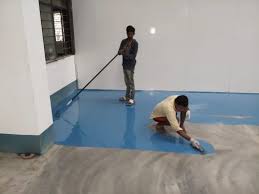
Installation methods further expand customization possibilities. Flooring thickness, layering systems, and curing times can be adapted to suit existing substrates, load requirements, and project timelines. This means high performance flooring can be installed over concrete, wood, or older surfaces with minimal disruption. Fast-curing options allow businesses to resume operations quickly, while seamless installations help reduce maintenance needs and improve cleanliness.
Sustainability considerations are another area where customization is increasingly influential. Eco-conscious clients can choose low-VOC materials, recycled content, or long-life flooring systems that reduce waste over time. By tailoring flooring solutions to environmental goals, high performance flooring supports both operational efficiency and responsible building practices.
Ultimately, customization transforms flooring from a basic building component into a strategic design and performance asset. By adapting materials, appearance, functionality, and installation methods, high performance flooring can be precisely aligned with the unique demands of any space, proving that flexibility and performance can coexist without compromise.
